


ROMVIMZA offersConvenient, twice-a-week, oral dosing
with no known dietary restrictions1
The recommended dosage of ROMVIMZA is
30 mg orally, taken twice weekly at least 72 hours apart, with or without food.1
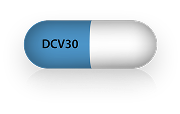
30 mg
Not actual size
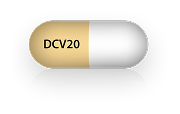
20 mg
Not actual size

14 mg
Not actual size

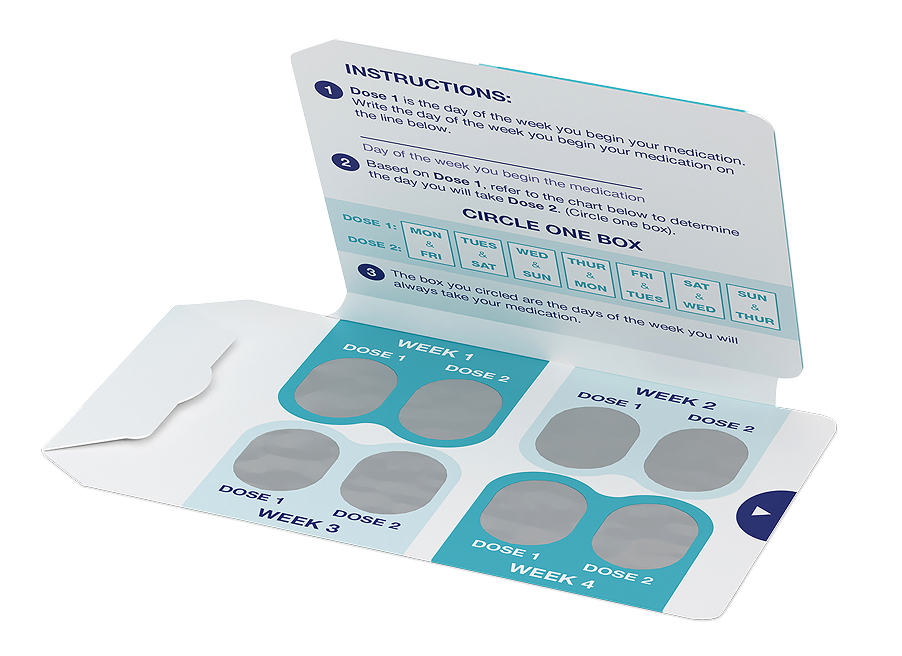
Patients choose their Day 1 which dictates their Day 5. Their dosing days remain the same each week
With ROMVIMZA, there's no1:
 Known dietary restrictions (including grapefruit and dairy products) and can be taken with a high-fat meal
- REMS program requirement*
For females and males of reproductive potential1:
- Use effective contraception during treatment and for one month after their last dose due to risks of embryo-fetal toxicity
- ROMVIMZA can be used alongside all contraceptive methods, including hormonal birth control, allowing patients to continue with their preferred birth control method
Patients choose their Day 1 which dictates their Day 5. Their dosing days remain the same each week
With ROMVIMZA, there's no1:
- Known dietary restrictions (including grapefruit and dairy products) and can be taken with a high-fat meal
- REMS program requirement*
For females and males of reproductive potential1:
- Use effective contraception during treatment and for one month after their last dose due to risks of embryo-fetal toxicity
- ROMVIMZA can be used alongside all contraceptive methods, including hormonal birth control, allowing patients to continue with their preferred birth control method
Dose modifications were common and can help patients stay on ROMVIMZA1‑3
For adverse reactions1-3
Dose interruptions or dose reductions may be required based on a patient's safety and tolerability. Consider dose reductions as part of AR management to help maintain treatment continuity.
1st dose reduction is
20 mg twice weekly


2nd dose reduction is
14 mg twice weekly
Permanently discontinue ROMVIMZA in patients who are unable to tolerate 14 mg orally twice weekly
ARs or laboratory abnormalities led to1:
- Discontinuation in 4.8% (4 out of 83) of patients
- Dose reductions in 39% (32 out of 83) of patients
- Dose interruptions in 40% (33 out of 83) of patients
For hepatotoxicity1
Monitor liver function tests prior to initiation of ROMVIMZA, twice a month for the first two months and once every 3 months for the first year of therapy and as clinically indicated thereafter. Withhold and reduce the dose, or permanently discontinue ROMVIMZA based on the severity of the hepatotoxicity.
| Hepatotoxicity severity | ROMVIMZA dosage modifications |
|---|---|
AST and/or ALT increases >3–5 times ULN AND total bilirubin increases up to 2 times ULN OR Total bilirubin increases up to 2 times ULN |
|
AST and/or ALT increases >3–5 times ULN, AND total bilirubin increases >2 times ULN or INR >1.5 and ALP <2 times ULN OR Total bilirubin increases >2 times ULN |
|
AST and/or ALT increases >5–8 times ULN AND total bilirubin ≤ULN, AND without clinical symptoms |
|
AST and/or ALT increases >5–8 times ULN AND total bilirubin increase >ULN, or INR >1.5, or ALP >2 times ULN | Permanently discontinue ROMVIMZA. |
AST and/or ALT increases >8 times ULN | Permanently discontinue ROMVIMZA. |
*REMS is a drug safety program that the FDA can require for certain medications with serious safety concerns to help ensure the benefits of the medication outweigh its risks.
ALP=alkaline phosphatase; ALT=alanine aminotransferase; AR=adverse reaction; AST=aspartate aminotransferase; FDA=Food and Drug Administration; INR=international normalized ratio; REMS=Risk Evaluation and Mitigation Strategy; ULN=upper limit of normal.

Inform your patients of the MyROMVIMZA app: a tool that can help them with medication trackers, appointment reminders, and more.


